
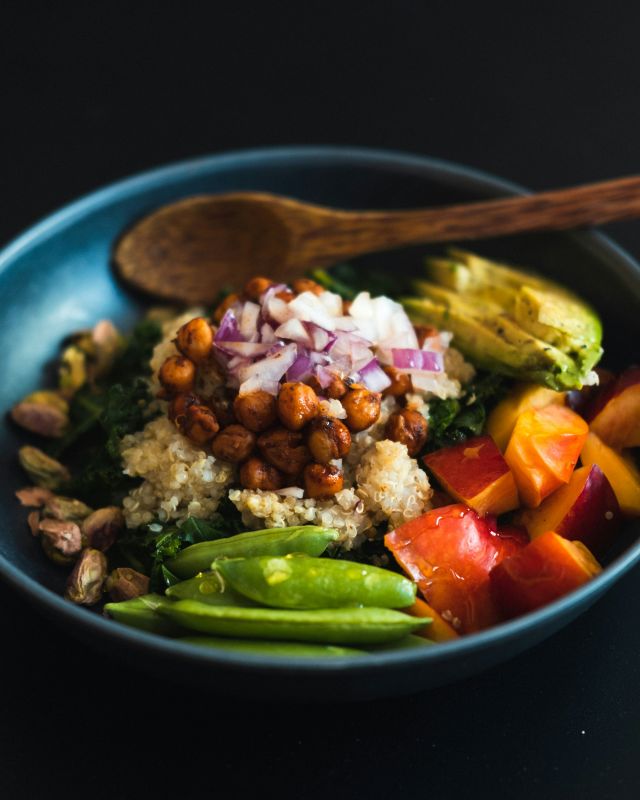
You may have heard of the DASH diet from a friend or seen it on a list of the healthiest ways to eat. The good news: it isn’t a fad, there’s nothing special to buy, and it’s built around everyday foods. Here’s a plain-language look at what it is, plus an easy recipe to try.

Please note: This article shares general information only and isn’t medical advice. Everyone’s needs are different. Before changing the way you eat, especially if you take medication or are under a doctor’s care, talk with your doctor, pharmacist or a registered dietitian.
What does DASH stand for?
DASH stands for Dietary Approaches to Stop Hypertension. It was developed through research studies in the United States that looked at how eating patterns affect blood pressure. The U.S. National Heart, Lung, and Blood Institute describes it as a flexible, balanced eating plan for a heart-healthy eating style for life, and Heart & Stroke here in Canada shares it as a way of eating that can help lower blood pressure.
You don’t need to have high blood pressure to enjoy eating this way. Many people simply like it as a sensible, colourful approach to everyday meals.
What do you eat?
DASH focuses on adding more of the good stuff:
- Vegetables and fruit, fresh, frozen or canned without added salt or sugar
- Whole grains like oats, brown rice and whole-wheat bread
- Beans, lentils, nuts and seeds
- Fish, poultry and lean meats
- Lower-fat milk, yogurt and cheese
- Vegetable oils like canola and olive oil
And it suggests going easier on foods high in saturated fat (such as fatty meats and full-fat dairy), sugary drinks and sweets, and salt.
If that sounds a lot like Canada’s Food Guide, you’re right. Both focus on similar foods. The difference is that DASH also suggests a number of servings from each food group every day.
What about salt?
Cutting back on salt (sodium) is a big part of DASH. Heart & Stroke recommends that adults aim for no more than 2,300 mg of sodium a day, which is about one teaspoon of table salt. The DASH research found that eating even less sodium led to bigger drops in blood pressure. Your healthcare provider can tell you what amount is right for you.
Most of the salt we eat comes from packaged and restaurant foods rather than the salt shaker, so a few small swaps go a long way:
- Choose canned vegetables, beans and tomatoes labelled “no salt added”.
- Rinse canned beans under cold water to wash away some of the salt.
- Flavour food with herbs, spices, garlic, onion and lemon instead of salt.
- Check the % Daily Value on nutrition labels: 5% or less is a little sodium, 15% or more is a lot.
Try it: Chickpea, Spinach and Tomato Skillet
This colourful one-pan dinner ticks a lot of DASH boxes: vegetables, beans, olive oil and lots of flavour from spices and lemon instead of salt. It’s ready in about 20 minutes and costs just a few dollars.
Serves: 2 · Prep: 5 minutes · Cook: about 15 minutes · Equipment: 1 large frying pan
Ingredients
- 1 tablespoon olive or canola oil
- 1 small onion, chopped
- 1 red bell pepper, chopped
- 2 cloves garlic, finely chopped
- 1 teaspoon ground cumin
- 1 teaspoon paprika (smoked paprika is lovely here)
- 1 can (540 mL / 19 oz) no-salt-added chickpeas, drained and rinsed
- 1 can (398 mL / 14 oz) no-salt-added diced tomatoes
- 4 big handfuls of baby spinach (about 4 cups)
- Juice of ½ lemon
- Black pepper
- To serve (optional): brown rice, whole-grain pita or toast, and a spoonful of plain low-fat yogurt
Method
- Soften the vegetables. Heat the oil in a large frying pan over medium heat. Add the onion and red pepper and cook for about 5 minutes, stirring now and then, until soft.
- Add the flavour. Stir in the garlic, cumin and paprika and cook for 1 minute, until it smells wonderful.
- Simmer. Add the chickpeas and tomatoes. Bring to a gentle bubble and simmer for about 8 minutes, stirring occasionally, until slightly thickened.
- Wilt the spinach. Add the spinach a handful at a time, stirring until it wilts. This only takes a minute or two.
- Finish and serve. Squeeze in the lemon juice and add pepper to taste. Serve on its own, over brown rice, or with whole-grain pita for scooping, topped with a spoonful of yogurt if you like.
Tips
- Cooking for one? Keep the second portion in the fridge for up to 3 days. It tastes even better the next day.
- Add some protein. Stir in leftover cooked chicken, or top each bowl with a poached egg.
- No fresh spinach? Use about 1 cup of frozen chopped spinach, squeezed dry, or swap in kale.
- Like a little heat? Add a pinch of chili flakes with the spices.
Sources
- Heart & Stroke: The DASH diet to lower high blood pressure
- National Heart, Lung, and Blood Institute: DASH Eating Plan
- Health Canada: Canada’s Food Guide
This article is for general information and isn’t a substitute for advice from your doctor, pharmacist or dietitian. More ideas on our Healthy Living page.
Leave a Reply